Invisalign Calabasas CA: A Discreet Way to Straighten Teeth

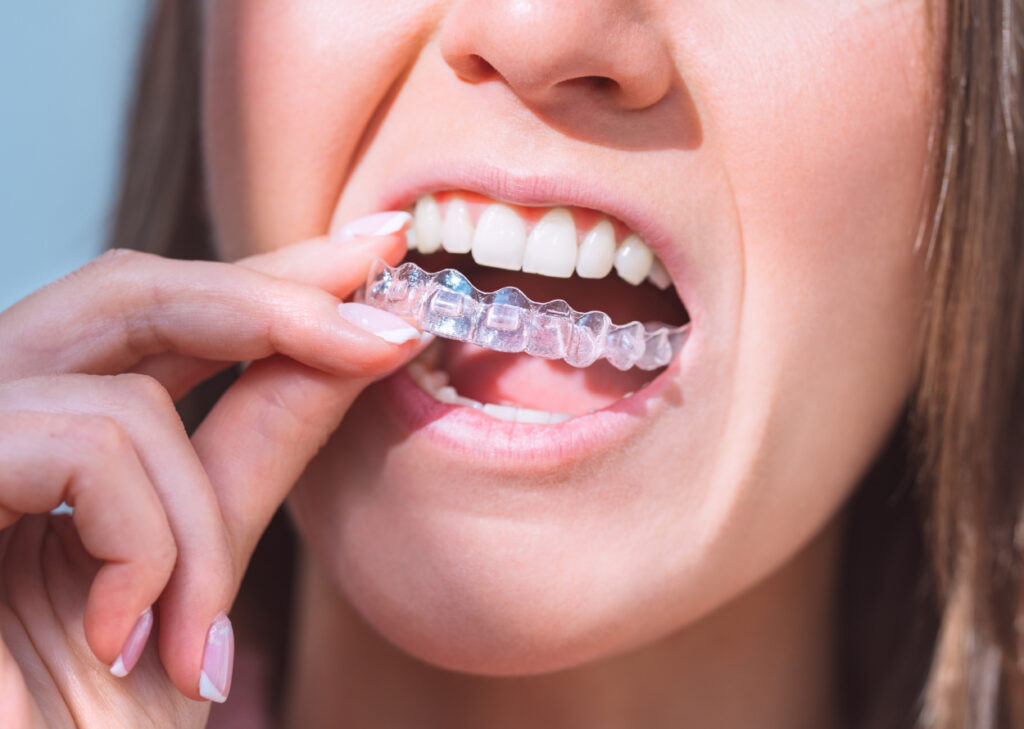
A straight smile has Invisalign Calabasas CA always mattered, but the way people want to get there has changed. Many adults and teens in Calabasas want orthodontic treatment that fits into work, school, family life, and social routines without drawing attention every time they speak or laugh. That is a large part of the appeal behind Invisalign. It offers a quieter, more flexible path to alignment, especially for patients who like the idea of improving their bite and smile without the look of brackets and wires.
For the right candidate, Invisalign can be remarkably effective. It is not magic, and it is not perfect for every orthodontic case, but in everyday practice it solves a wide range of concerns with much less disruption than people expect. Mild crowding, spacing, relapsed movement after past braces, and many bite issues can often be treated with clear aligners, provided the plan is well designed and the patient wears them consistently.
When people search for Invisalign Calabasas CA, what they usually want is more than a brand name. They want to know whether the treatment is worth it, whether it will fit their lifestyle, how long it may take, and what kind of result they can realistically expect. Those are the questions that actually matter.
Why Invisalign appeals to adults and teens
Traditional braces are still an excellent treatment in many situations. They are reliable, precise, and sometimes the best tool for more complex movement. But braces are visible, they can make oral hygiene more difficult, and they come with food restrictions that many patients find frustrating. Clear aligners answer those pain points directly.
Invisalign trays are custom-made, transparent, and removable. That changes the day-to-day experience in meaningful ways. A patient can take the aligners out for meals, which means no giving up popcorn, nuts, or crusty bread. Brushing and flossing oaksdentistry.com Invisalign Calabasas CA stay familiar because there are no wires to clean around. For professionals who spend much of the day in meetings, on camera, or talking with clients, that discreet appearance is often the deciding factor.
Teens also tend to appreciate the lower-profile look, though they need enough maturity to follow the wear schedule. Invisalign only works well when it is worn for the recommended amount of time, often around 20 to 22 hours per day. That is one of the biggest trade-offs. Braces work around the clock because they are fixed in place. Aligners depend on patient discipline.
There is also a comfort difference worth mentioning. Most patients find Invisalign smoother and less irritating than metal brackets. There can still be pressure when switching to a new set of trays, which is normal and often a sign that the aligners are doing their job. The sensation is usually described as tightness rather than sharp pain. Some people notice a slight lisp for a few days at the beginning, especially if they speak a lot for work, but it often fades as the tongue adapts.
What Invisalign actually does
At its core, Invisalign moves teeth through a series of clear trays, each one slightly different from the last. The patient wears each set for a prescribed period, often one to two weeks, before moving to the next. Small tooth-colored attachments are frequently bonded to certain teeth to help the trays grip and guide movement more precisely. These attachments are subtle, but patients should know about them ahead of time because they are part of what makes treatment effective.
Many first-time patients assume the trays simply “straighten teeth.” In practice, the process is more sophisticated than that. Orthodontic movement is three-dimensional. Teeth may need to rotate, tip, intrude, extrude, or shift bodily through bone. The bite may need correction so that upper and lower teeth fit together more evenly. A good Invisalign plan is not just about making the front teeth look better in photos. It is about building a functional result that is stable and healthy.
That point is especially important for adults who had braces years ago and saw their teeth drift. It is common to meet patients with one lower front tooth that has twisted out of place or upper teeth that look more crowded than they did in their twenties. Relapse happens. Teeth can move with time, habits change, retainers get lost, and bite forces continue to act throughout life. In many of these cases, Invisalign is well suited because the goal is targeted correction without revisiting the full experience of metal braces.
The first consultation matters more than the trays
A strong Invisalign case begins long before the first aligner is delivered. The consultation is where the dentist or orthodontist examines the bite, gum health, jaw relationship, existing dental work, and the kind of movement the teeth actually need. Digital scans have made this much easier and more comfortable than older impression materials. Instead of biting into trays of putty, many offices now create a 3D image of the teeth with an intraoral scanner.
That scan is valuable, but it is not the treatment. A scanner can produce a beautiful simulation, yet simulations are only as good as the clinical judgment behind them. Teeth are attached to living bone and influenced by roots, gum levels, restorations, habits, and bite dynamics. A realistic provider will explain what Invisalign can do well, where refinements may be needed, and whether another approach would be smarter.
This is also the moment to discuss goals honestly. Some patients want a major cosmetic improvement as efficiently as possible. Others want the most ideal bite correction even if it takes longer. Those are not always the same treatment plan. Experienced clinicians often spend time helping patients separate what bothers them most from what is merely noticeable on a zoomed-in photo. That kind of conversation leads to better decisions and fewer surprises.
Who tends to be a good candidate
Invisalign works well for many people, but not all cases are equally straightforward. Mild to moderate crowding is often a very comfortable fit for clear aligner therapy. Small spaces between teeth can also respond well. Many overbites, underbites, and crossbites can be improved, particularly when the provider is experienced and the patient is compliant. On the other hand, severe skeletal discrepancies, teeth that need large vertical changes, or highly complex movements may still favor braces or a combined approach.
Age by itself is not the issue. Commitment is. Adults are often excellent aligner patients because they are motivated and structured. Teens can do very well too, especially if they understand that wearing the trays only at night is not enough. There is a practical difference between liking the idea of Invisalign and living with it properly.
Patients also need healthy gums and teeth before starting. Active gum disease, untreated decay, broken restorations, or significant clenching habits should be addressed as part of planning. Straightening teeth onto an unstable foundation is not a good bargain.
How long treatment usually takes
This is one of the first questions people ask, and fairly so. The most accurate answer is that treatment time depends on the complexity of the case, the precision of the plan, and how faithfully the aligners are worn. Some minor cosmetic cases may finish in several months. Many comprehensive cases fall somewhere around 12 to 18 months. More involved treatment can take longer, especially if refinements are required.
Refinements are common and should not automatically be viewed as a problem. They are additional aligners ordered after checking progress and making adjustments to fine-tune the result. Teeth do not always track exactly as predicted on a computer model, particularly with rotations or more difficult movements. A careful provider expects that and builds it into the process.
Patients sometimes lose time in avoidable ways. Leaving trays out too long, switching aligners too early, not using elastics as instructed, or missing follow-up visits can all slow progress. The treatment has some flexibility, but it does not reward inconsistency.
Daily life with Invisalign in Calabasas
People often imagine Invisalign as completely effortless. It is easier than braces in several respects, but it still requires habits. The aligners need to come out before eating or drinking anything other than water. Teeth should be brushed before putting them back in, or at least rinsed well when brushing is not possible. The trays themselves need regular cleaning. Coffee lovers quickly learn that frequent sipping means frequent removal, which can become inconvenient if they are not prepared.
That said, most patients settle into a rhythm within a week or two. Breakfast, lunch, and dinner become natural tray-free windows. Social events are manageable. Business lunches are manageable. Travel is manageable. The practical challenge is not difficulty so much as consistency. You need to know where your aligners are, keep the case with you, and avoid wrapping trays in a napkin, which is one of the fastest ways to lose them in a restaurant.
Speech adaptation is another everyday concern. Some people notice almost no difference. Others hear a slight change, especially with certain consonants, during the first few days of each new tray stage. This usually improves quickly. People who are on calls all day or who speak publicly often appreciate having this explained beforehand because it keeps a temporary adjustment from feeling alarming.
Cost, value, and what affects the fee
The cost of Invisalign varies from office to office and from case to case. Simpler treatment tends to cost less than comprehensive treatment, and fees may also reflect the provider’s experience, the anticipated number of aligners, whether attachments or elastics are needed, and how many refinement rounds are likely. Because fees differ by region and by complexity, broad ranges are more honest than promising a single number.
Insurance may help in some cases, especially if the plan includes orthodontic benefits, but coverage is highly specific to the policy. Flexible payment plans are common and often make treatment more manageable for families and working adults.
Value is not just about price. It is about whether the treatment solves the real problem with a result that lasts. A low fee is not a bargain if the bite is unstable, the plan is rushed, or retention is treated as an afterthought. On the other hand, paying for a comprehensive approach can make sense when it prevents retreatment later.
Choosing the right provider for Invisalign Calabasas CA
The quality of Invisalign treatment depends heavily on diagnosis, planning, and follow-through. Patients often focus on the product, but the product is only one piece. Provider judgment matters at every stage, from deciding whether aligners are appropriate to adjusting the plan when teeth are not tracking as expected.
When evaluating options for Invisalign Calabasas CA, it helps to look beyond marketing language. Experience with clear aligners is relevant, but so is the willingness to have a candid conversation about limitations, alternatives, and retention. A good consultation should feel specific to your mouth, not generic. If every case seems to get the same promise, that is worth noticing.
Here are a few practical signs of a thoughtful Invisalign consultation:
- The provider explains both benefits and limitations in plain language.
- Your bite, gum health, and existing dental work are discussed, not just the appearance of the front teeth.
- Treatment time is given as a realistic range, not an overly neat guarantee.
- Refinements and retainers are mentioned early, not added as an afterthought.
- Questions are answered directly, including whether braces might be the better option.
That sort of transparency tends to correlate with better patient satisfaction because expectations are set carefully from the beginning.
Retainers are not optional
One of the most common misunderstandings in orthodontics is the idea that treatment ends when the last aligner comes off. It does not. Teeth have memory, and they are influenced by surrounding tissues and daily forces. Without retention, they can drift. Sometimes the movement is subtle, sometimes it is enough to undo months of work.
Retainers preserve the investment. The wear schedule varies, but many patients are advised to wear retainers full time initially and then transition to nighttime wear. The specifics depend on the case and the provider’s judgment. The important part is accepting that retention is part of treatment, not a separate add-on.
This is particularly relevant for adults who seek Invisalign after previous braces. Many of them are in that chair because retainers were lost, stopped, or used inconsistently years ago. That history tends to make the lesson feel very concrete.
Cases that deserve a closer look
Not every smile concern is purely orthodontic. Sometimes what looks like crowding is partly caused by worn edges, old bonding, gum recession, or missing teeth that changed spacing over time. In those situations, Invisalign may be only one part of the solution. A patient might also need reshaping, whitening, bonding, veneers, implants, or restorative care to achieve the outcome they have in mind.
There are also cases where the cosmetic request and the functional need pull in different directions. For example, a patient may want the front teeth aligned quickly before a wedding or major event, while the bite would benefit from a longer and more complete correction. That is where provider judgment matters. Sometimes a phased approach makes sense. Sometimes delaying treatment until enough time is available is the better call.
Jaw discomfort and grinding deserve careful evaluation as well. Invisalign is not a cure-all for TMJ symptoms, though some patients do feel more comfortable once the bite is improved. Others may need a separate plan for clenching, muscle tension, or joint issues. Honest dentistry leaves room for complexity.
What patients often notice after treatment
The visible change is the easiest one to appreciate, but it is not the only one. Patients often report that flossing becomes easier once teeth are no longer crowded and contact points are more accessible. Cleaning the gumline may improve. Photos become less stressful. Some people stop hiding one side of their smile. Others notice they chew more evenly or that a tooth that used to hit awkwardly is no longer taking so much force.
There is also a psychological shift that should not be dismissed. Small aesthetic concerns can sit in the background for years. A rotated canine, a lower incisor that overlaps, a gap that catches the eye in every close-up photo. Once corrected, the change can feel quietly significant, not dramatic in a flashy way, but relieving. That understated benefit is one reason Invisalign remains so popular.
The discreet path, with realistic expectations
Invisalign offers a genuinely practical way to straighten teeth for many adults and teens who want a lower-profile experience than braces. It is discreet, removable, generally comfortable, and effective in a wide range of cases. The treatment works best when the plan is clinically sound and the patient follows through day after day.
For anyone considering Invisalign Calabasas CA, the smartest next step is not chasing the lowest advertised price or the fastest promise. It is getting a careful evaluation, asking specific questions, and understanding what your teeth and bite actually need. With the right fit and the right provider, clear aligners can deliver results that look natural, feel functional, and blend smoothly into everyday life.
Oaks Dental
5000 Parkway Calabasas, Suite 308
Calabasas, CA 91302
(818) 643-6521
FAQ About Invisalign Calabasas CA
How many hours a day should I wear Invisalign?
Clear aligners are typically worn for 20 to 22 hours a day. Follow your dentist’s instructions for your specific treatment plan.
What age is best for Invisalign?
Many teens and adults can use clear aligners. A dentist can assess dental development, oral health, and the type of tooth movement needed.
What affects the cost of Invisalign in California?
Cost depends on the complexity and length of treatment and what the quoted plan includes. Ask for an itemized estimate and check any orthodontic coverage with your insurer.