Invisalign Calabasas CA and What Success Looks Like
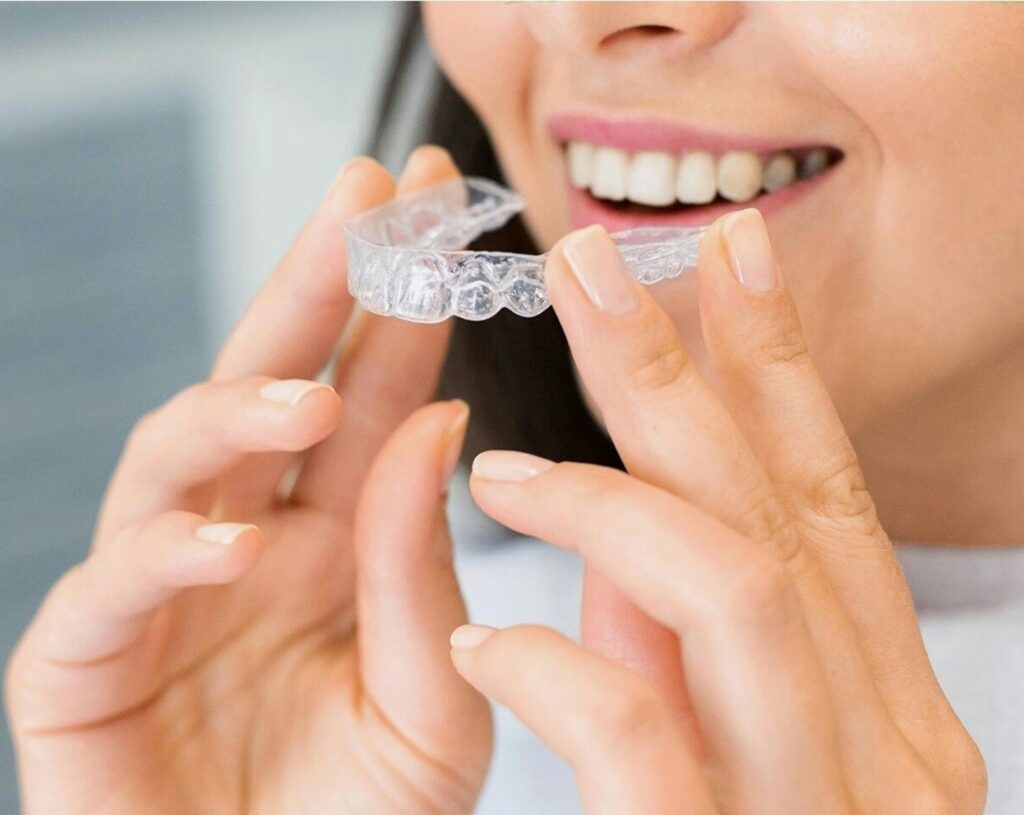
When people start looking into Invisalign Calabasas CA, they often think success means one thing: straighter teeth. That is part of it, but in practice, the best Invisalign cases are not judged by a single before-and-after photo. Success is broader, more personal, and more functional than that. It shows up in the mirror, certainly, but it also shows up in the way your bite meets, the way your teeth wear over time, how confidently you smile in conversation, and whether the result still looks good years later.
That distinction matters, especially in a place like Calabasas, where patients are often balancing aesthetics, work schedules, social commitments, and a fairly high standard for visible results. Invisalign appeals to adults and teens for obvious reasons. The aligners are clear, removable, and easier to fit into daily life than traditional braces for many people. But those advantages only translate into a great outcome when the plan is realistic and the patient follows through.
I have seen cases where someone expected six months and got closer to fourteen, not because anything went wrong, but because the original crowding was more significant than they realized. I have also seen patients with modest alignment issues finish on schedule and feel disappointed, simply because no one explained what Invisalign could and could not change about tooth shape, gum symmetry, or facial structure. The treatment worked. The expectations did not.
That is why it helps to define success carefully before the first tray ever goes in.
Straight teeth are only part of the picture
A clean row of front teeth photographs well, but orthodontic success is not just cosmetic. The front six or eight teeth tend to dominate people’s attention because they are visible when you smile. Dentists and orthodontists have to think more broadly. They look at the way the upper and lower arches fit together, whether the bite is balanced on both sides, whether teeth are being pushed into positions that are stable, and whether the final arrangement is likely to stay healthy over time.
A patient may say, “I just want to fix this one crooked tooth.” Sometimes that is possible. Sometimes that one crooked tooth is only the visible symptom of a deeper spacing or bite issue. If the plan chases the cosmetic concern without solving the structural reason behind it, relapse becomes more likely. That is one of the most common misunderstandings around clear aligner treatment.
Success with Invisalign often includes several quiet improvements that patients do not think to ask about at first. Food traps may decrease because spacing closes properly. Teeth can become easier to floss. Uneven wear may slow down if the bite is adjusted into a healthier pattern. A patient who used to chip a front edge repeatedly may stop doing so because the force distribution improves. These changes may not be dramatic on social media, but they matter in the long run.
What patients in Calabasas usually care about most
The practical reality of Invisalign Calabasas CA is that patients are often not choosing between treatment and no treatment. They are choosing between treatment options that need to fit into a demanding life. The area has many professionals, business owners, parents with tightly packed schedules, and image-conscious adults who put off orthodontics for years because they did not want metal braces.
That tends to shape the questions people ask. They want to know whether the aligners will be noticeable in meetings, whether they can still have coffee in the morning without derailing the process, whether treatment will interfere with events, and how often they really have to come into the office. Teen patients and their parents focus a little differently. They usually ask about comfort, sports, school photos, and how much discipline is required.
These are reasonable concerns, and they influence success more than people expect. A treatment plan that looks ideal on paper can fail in real life if it does not match the patient’s habits. Someone who snacks throughout the day and is not willing to remove, rinse, and reinsert aligners consistently may struggle more than a person with a slightly harder case but better routine. Invisalign is effective, but it is not passive. The trays only work if they are worn as directed, usually around 20 to 22 hours a day.
That sounds simple until daily life gets involved. A lunch meeting runs long. Coffee stretches through the afternoon. A teenager forgets a tray in the school cafeteria. Travel interrupts a routine. None of these moments ruins a case on its own, but they accumulate. Success often comes down to how well a treatment plan survives ordinary life, not how well it performs during a perfect week.
The first sign of success is a realistic treatment plan
A good Invisalign case begins with diagnosis, not with software animation. The digital simulation is useful, but it is not a promise. It is a planning tool based on biology, mechanics, and a set of assumptions about compliance. Teeth do not always move exactly as a screen predicts.
That is why the initial records matter. A careful provider evaluates crowding, spacing, overbite, overjet, arch form, existing dental work, gum health, tooth shape, jaw relationships, and any history of clenching or grinding. If attachments are needed, they should be explained clearly. If interproximal reduction, which is the slight reshaping between certain teeth, would improve the final fit, that should be discussed without downplaying it. If the case likely needs refinements after the first set of trays, patients should hear that upfront rather than treating refinements as an unexpected detour.
A realistic plan has a certain honesty to it. It acknowledges that some movements are more predictable than others. Minor rotations may be straightforward. Extrusions, larger rotations, and certain bite changes can be more technique-sensitive. A provider with experience will talk in terms of likely outcomes, not guarantees that sound too neat. That usually inspires more trust, not less.
One of the biggest green flags is when the conversation shifts naturally from “How fast can we do this?” to “How well can we do this, and what will it take to keep it stable?” That is the mindset behind durable results.
Compliance is not a side note, it is the engine
Patients sometimes assume that because Invisalign is removable, it is easier than braces in every respect. It is easier in some ways. Oral hygiene is often simpler. There are fewer food restrictions. The appearance is subtler. But removability transfers responsibility from the appliance to the patient.
A person who wears aligners 12 or 14 hours a day instead of the prescribed 20 to 22 can still feel like they are trying hard. Unfortunately, teeth respond to time under force, not good intentions. When trays are underworn, several things tend to happen. Movement lags. Trays stop fitting cleanly. Mid-course corrections become more common. Treatment stretches out. Frustration rises. Then compliance drops further because the patient loses confidence in the process.
This is where a small amount of discipline has an outsized effect. Patients who do best usually build automatic routines early. They remove the aligners only for meals and drinks other than water. They brush before putting trays back in. They switch trays on the schedule they were given. They keep the previous set when moving to a new one, just in case a tray is lost or something feels off. They do not negotiate with the plan every day.
The habits that matter most are simple:
- Wear aligners for the recommended number of hours daily.
- Keep trays clean and avoid staining drinks while wearing them.
- Attend check-ins and report fit problems early.
- Use chewies or seating tools if instructed.
- Commit to retainers after active treatment ends.
That last point deserves more emphasis than it usually gets. If someone completes Invisalign beautifully and then stops wearing retainers, the case is not a success for long.
What success looks like during treatment, not just at the end
Patients often focus on the finish line, but experienced providers watch for smaller markers along the way. These milestones reveal whether the case is progressing predictably or starting to drift.
One sign is tray fit. Aligners should generally seat well, especially after the first day or two of a new tray. Small gaps can happen, but persistent tracking issues around the incisal edges or cusp tips deserve attention. Another sign is comfort. Mild pressure is common when changing trays. Sharp pain, a tray that clearly rocks, or an attachment that keeps popping off suggests the need for review. Timing is another clue. If a patient keeps needing extra days for every tray because the next set never fits, the wear pattern or treatment mechanics may need adjustment.
Aesthetic changes also appear gradually. In a crowding case, patients often notice one front tooth lining up and feel encouraged. In a spacing case, they may briefly notice new or shifting gaps as the arches are being coordinated. That can be unsettling if no one explained it in advance. Good treatment sometimes looks a little odd in the middle phase because teeth are moving through transitional positions. Mid-course appearance is not the final verdict.
Bite feedback matters too. A patient may describe hitting on one tooth first when chewing, or feeling that the back teeth are not touching evenly. Sometimes that resolves as treatment progresses. Sometimes it points to the need for refinement. The best outcomes come from listening to these details rather than dismissing them because the front teeth already look nicer.
Refinements are normal, not a failure
Many Invisalign cases need refinement trays. Patients are sometimes surprised by that because marketing can make treatment sound like a single smooth sequence from first scan to final retainer. Real orthodontics is more nuanced. Teeth are living structures in bone, and they do not all move with identical predictability.
Refinements are often where a good case becomes an excellent one. The first phase handles the major movements. The refinement phase fine-tunes rotations, settles contacts, improves bite detail, and closes small residual discrepancies. In well-managed cases, this is not evidence that the original plan was poor. It is evidence that the provider is paying attention.
I Invisalign Calabasas CA have seen patients become discouraged when they hear they need ten more trays. Then they compare the final result with where they would have stopped otherwise, and the difference is obvious. The smile looks cleaner, the bite feels more natural, and the finishing details make the outcome look intentional rather than approximate.
What matters is how the possibility is framed from the beginning. If patients understand that refinement is common and often beneficial, they are far less likely to interpret it as bad news.
The role of attachments, polishing, and the little details
One reason some Invisalign outcomes look polished and others look merely improved comes down to details that are easy to overlook. Attachments, for instance, are not cosmetic flaws in the plan. They are tools. These small tooth-colored shapes help the aligners grip teeth more effectively for specific movements. Patients may not love them at first, but cases that need them usually perform better with them than without them.
There are other details that shape the finish. A small amount of enamel recontouring at the edge of a tooth can improve symmetry. Replacing a worn or mismatched filling after alignment can make the smile look dramatically more even. Whitening after treatment may help if shade inconsistency is part of the concern. Sometimes the orthodontics are not the whole answer, and saying so honestly is part of good care.
This is especially relevant for adults who have lived with years of dental history. If a front tooth is shorter because it chipped ten years ago, straightening alone will not make both sides mirror each other perfectly. If one lateral incisor is naturally small, spacing decisions may need to account for that. Success, in these cases, often comes from coordinating Invisalign with conservative cosmetic dentistry rather than expecting aligners to solve every visual issue by themselves.
Who tends to be happiest with Invisalign
The patients who report the highest satisfaction are not always those with the simplest cases. More often, they are the ones whose expectations, habits, and treatment plan line up well.
They typically share a few traits. They understand that clear aligners are effective, but not magic. They are willing to wear them consistently even when life gets busy. They ask thoughtful questions early rather than staying silent until they are frustrated. They care about both appearance and function. And they accept that retainers are part of the treatment, not an optional add-on after the interesting part is over.
That last point is worth lingering on because it separates short-term improvement from long-term success. Teeth have memory. Gum fibers and bite forces can pull them back toward old positions, especially in the first months after treatment. A properly fitted retainer, worn on the prescribed schedule, protects the investment. I have seen excellent results soften within a year when retention was ignored. I have also seen beautiful alignment stay stable for many years when patients treated retention seriously.
Questions worth asking before you start
Patients shopping for Invisalign Calabasas CA often compare providers based on convenience, cost, or branding. Those factors matter, but the quality of the conversation matters more. You want to know how your specific case will be diagnosed, monitored, and finished.
A few questions cut through the sales language and get to the substance:
- What bite issues, if any, need to be corrected along with alignment?
- How likely are refinement trays in my case?
- What level of daily wear is expected, and what happens if trays stop tracking?
- Will attachments or minor reshaping between teeth be recommended?
- What is the retainer plan after treatment ends?
The answers do not need to be flashy. They need to be clear. A provider who can explain trade-offs in plain language is usually giving you something more valuable than a polished pitch.
When Invisalign may not be the right fit
Part of defining success honestly is recognizing when clear aligners are not the best choice. Some cases with severe skeletal discrepancies, advanced bite problems, or highly unpredictable movements may be better handled with braces or with a broader orthodontic approach. Sometimes Invisalign can still be used, but only if the patient accepts certain limitations or a longer timeline.
There are also behavioral mismatches. A patient who knows they will not wear removable appliances consistently may do better with fixed braces, even if they strongly prefer the look of aligners. It is better to choose the appliance that has the highest chance of being used properly than the one that sounds best at the consultation.
This is one of those areas where clinical judgment matters. The right recommendation is not always the one patients expect. But long-term satisfaction usually comes from suitability, not from forcing a preferred option onto an unsuitable case.
The finish line is functional, aesthetic, and stable
So what does success actually look like when Invisalign is done well?
It looks like front teeth that appear naturally aligned, not flattened into a generic arc. It looks like contacts that are easier to clean and less likely to trap food. It looks like a bite that feels more even than it did before. It looks like a patient smiling without angling their face to hide one side. It looks like retainers that fit because they are being worn, and alignment that stays where it was carefully moved.
Sometimes the transformation is dramatic. Sometimes it is subtle enough that friends cannot immediately name what changed, only that the person seems more confident. Both can be excellent outcomes.
For anyone considering Invisalign Calabasas CA, the strongest predictor of satisfaction is not just the brand or the technology. It is the combination of accurate diagnosis, a realistic plan, consistent wear, thoughtful finishing, and retention that is taken seriously. Straighter teeth are the visible reward. A stable, healthy, well-functioning result is the real measure of success.
Oaks Dental
5000 Parkway Calabasas, Suite 308
Calabasas, CA 91302
(818) 643-6521
FAQ About Invisalign Calabasas CA
How many hours a day should I wear Invisalign?
Clear aligners are typically worn for 20 to 22 hours a day. Follow your dentist’s instructions for your specific treatment plan.
What age is best for Invisalign?
Many teens and adults can use clear aligners. A dentist can assess dental development, oral health, and the type of tooth movement needed.
What affects the cost of Invisalign in California?
Cost depends on the complexity and length of treatment and what the quoted plan includes. Ask for an itemized estimate and check any orthodontic coverage with your insurer.