Invisalign Calabasas CA for Working Adults With Busy Schedules
For many working adults, orthodontic treatment sits in that category of important but easy to postpone. The teeth have shifted a little more each year. Crowding makes flossing annoying. A bite problem causes uneven wear, or maybe there is a front tooth that always seems to show up in every photo before you do. The issue is real, but between work deadlines, commutes, family obligations, travel, and the simple fatigue of keeping everything moving, traditional braces can feel impractical.
That is where Invisalign often enters the conversation, especially for professionals who want noticeable improvement without adding a highly visible appliance to an already full life. People looking into Invisalign Calabasas CA treatment are often less concerned with whether clear aligners are popular and more concerned with whether they are workable on a Tuesday packed with meetings, school pickup, and a dinner reservation they forgot they made three weeks ago.
That practical question matters more than marketing. Invisalign can be an excellent option for busy adults, but it is not a magic shortcut. It works best when Invisalign Calabasas CA the patient understands the routine, the trade-offs, and the discipline involved. A clear aligner system can fit seamlessly into professional life, though only when expectations are honest from the start.
Why busy adults often choose clear aligners
Adult patients usually arrive with a different mindset than teenagers. They are rarely there because someone else told them to come. They have often thought about treatment for years. Some had braces decades ago and stopped wearing retainers. Others never had orthodontic care and are finally at a stage where they can prioritize it. Many are managing careers in law, finance, healthcare, real estate, entertainment, tech, or small business ownership, which is especially relevant in a place like Calabasas where appearances, confidence, and time efficiency often intersect.
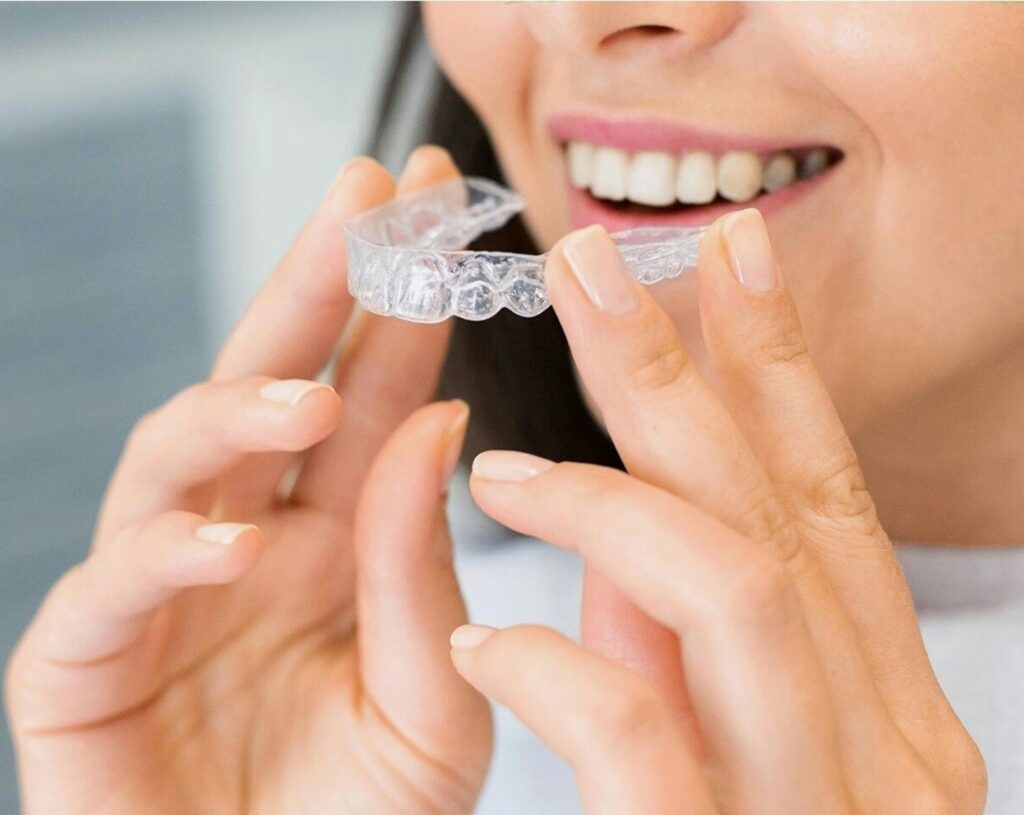
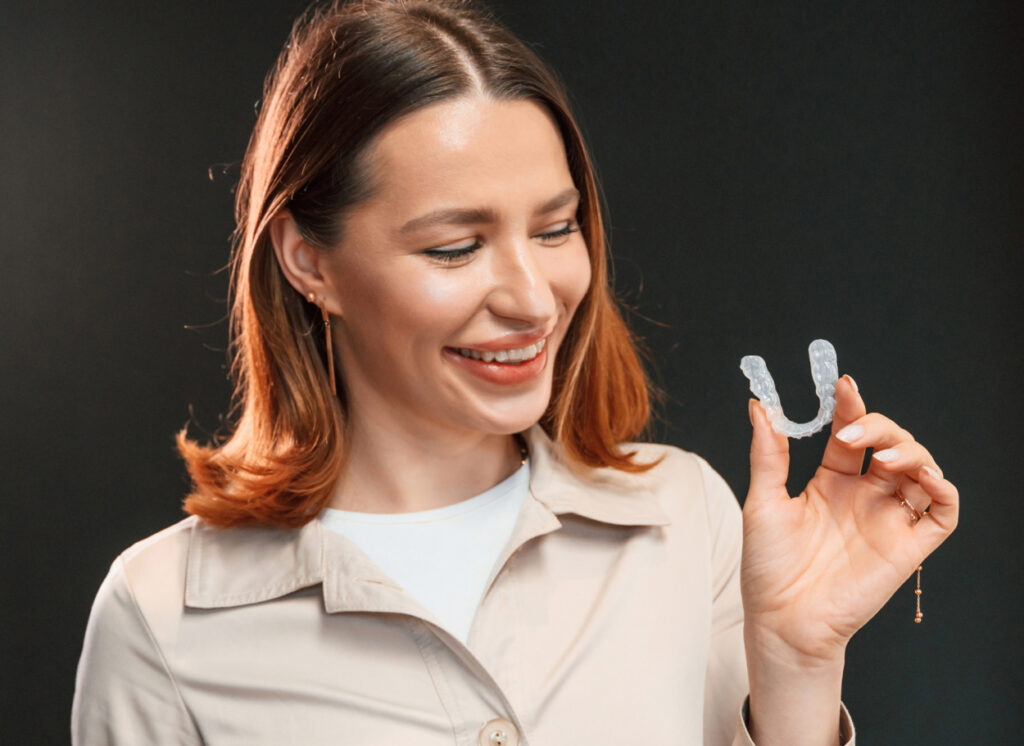
The appeal of Invisalign is easy to understand. The trays are removable, discreet, and generally easier to manage in a professional setting than brackets and wires. If you have a client presentation at 9 a.m., coffee with a lender at 11, and a team lunch at 1, clear aligners usually create far less social friction. Most people will not notice them unless they are looking closely, and many working adults appreciate having orthodontic treatment that does not announce itself first.
There is also the issue of comfort and logistics. Traditional braces often involve emergency visits for broken brackets or poking wires. Invisalign appointments are typically shorter and more predictable. For someone who bills by the hour or manages a tight work schedule, fewer unexpected interruptions can make treatment feel much more realistic.
Still, discreet does not mean effortless. The aligners only work if they are worn consistently, usually around 20 to 22 hours per day. That sounds simple until you count every coffee, snack, business lunch, and late-night drink after an event. The adults who do best with Invisalign are not necessarily the ones with the easiest schedules. They are the ones who can stick to a routine even when the day gets messy.
The real challenge is not the office visit, it is the daily rhythm
Most working adults assume the hard part will be finding time for consultations and check-ins. Those appointments matter, but they are not what determines success. The daily rhythm does.
Every aligner day is built around removal, eating, cleaning, and putting the trays back in. If you work from home, that may be fairly easy. If you spend long stretches in meetings, drive between properties, see patients back-to-back, or travel regularly, the small decisions add up quickly. A rushed breakfast can turn into an extra hour without aligners. A long lunch meeting can stretch longer than planned. A glass of wine during a networking event can make someone leave the trays out until bedtime because they do not feel like dealing with them in a restaurant restroom.
That does not mean Invisalign is a poor fit for professionals. It means the best candidates are people willing to build light structure into their day. I have seen adults do extremely well when they pair aligner wear with routines they already follow. Morning coffee becomes coffee after breakfast, then immediate brushing and trays back in. Lunch is kept efficient on office days. A travel pouch lives in the work bag, gym bag, car, or briefcase. These are small systems, but small systems are what keep treatment on schedule.
One of the biggest advantages for adults is that they usually understand delayed gratification. They know a year passes whether or not they start treatment. Once they connect a daily habit to a visible payoff, compliance tends to improve.
What treatment often looks like in a busy professional life
The first phase is usually the easiest emotionally because motivation is high. Records are taken, a treatment plan is created, and the first sets of aligners arrive. For many people, the first few days are an adjustment. There can be pressure, a temporary lisp, and a surprising awareness of how often they used to graze on food or sip drinks throughout the day. By the second or third week, most adults settle in.
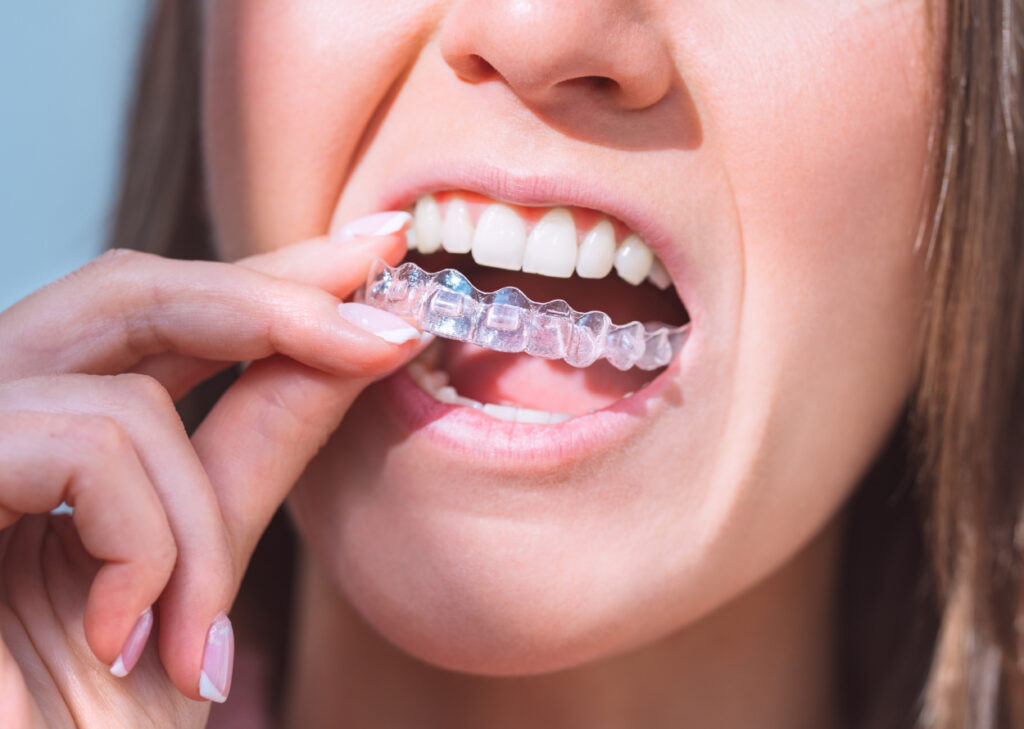
The middle stretch is where routine becomes everything. Depending on the complexity of the case, treatment may take several months or well over a year. Mild crowding may resolve faster. Bite correction, rotations, spacing, or relapse after previous orthodontics can take longer. Some cases also need attachments, which are small tooth-colored bumps bonded to the teeth to help guide movement more precisely. Adults are sometimes surprised by this part because the word "clear" can create the impression of a completely invisible system. In reality, attachments are common and very useful. They are still subtle, but they are worth discussing upfront so there are no surprises when treatment begins.
Refinements are another part of the process that busy adults should expect. Sometimes the teeth respond exactly as planned. Sometimes a few movements lag, and additional aligners are needed to finish properly. This is not failure. It is a normal part of orthodontic treatment, especially in adults where biology, existing dental work, and past tooth movement can affect response. Patients who understand that from the outset are usually less frustrated when the timeline extends.
Calabasas professionals tend to care about more than straight teeth
A working adult seeking Invisalign in Calabasas is often thinking about several goals at once. Appearance is one of them, but not the only one. Many want a smile that looks more polished in person and on camera. Others want easier hygiene because crowding traps plaque and makes flossing maddening. Some are preparing for veneers or other cosmetic dental work and need the teeth moved into better positions first. Others simply want to stop the slow drift they have noticed over ten or fifteen years.
Function deserves more attention than it often gets. A better bite can reduce uneven wear, improve cleaning access, and sometimes ease the strain that comes from teeth not fitting together well. Invisalign is not a cure-all for jaw discomfort or every kind of clenching, but Invisalign Calabasas CA alignment and bite relationships do matter. Adults who have chipped edges, gum recession around crowded teeth, or difficulty cleaning certain areas often appreciate improvements that go beyond the mirror.
That broader perspective is useful because it keeps treatment grounded. If the only goal is "perfect teeth fast," frustration sets in quickly. If the goal is healthier alignment that supports long-term dental stability and confidence, the process tends to feel worthwhile even when a refinement stage is needed.
Time-saving habits that make Invisalign easier
A busy schedule does not automatically interfere with treatment. Poor preparation does. The adults who stay on track usually simplify the process rather than trying to rely on motivation every day.
Here are a few habits that consistently help:
- Keep a travel toothbrush, toothpaste, floss picks, and aligner case in your work bag or car.
- Tie aligner changes to a fixed evening routine, such as after dinner or before bed.
- Limit casual snacking during work hours so trays stay in longer.
- Use phone reminders if you are prone to leaving aligners out after meals.
- Put trays back in immediately after rinsing, rather than telling yourself you will do it in ten minutes.
None of these habits is complicated. Their value comes from repetition. Adults who try to "wing it" often lose wear time in small increments that add up over weeks. Missing an hour here and there rarely feels dramatic, but it can slow tracking and lead to extra treatment time.
Work travel, client dinners, and unpredictable days
Travel is often where good Invisalign intentions get tested. Flights run late. Hotel bathrooms are cramped. Conference schedules start before breakfast and run through cocktail hour. The structure you had at home disappears, which is exactly when a simple system matters most.
The easiest approach is to think in terms of control points rather than perfection. Wear the aligners during flights. Remove them for meals, clean as best you reasonably can, and put them back in promptly. If brushing is not possible right away, rinse both your mouth and the trays and reinsert them until you can clean properly. That is usually better than leaving them out for hours. Adults sometimes overcomplicate this part because they assume every reinsertion must follow a perfect dental routine. Ideal is nice. Consistency is more important.
Business meals raise another practical concern, especially for people who entertain clients or attend frequent dinners. Invisalign remains manageable, but it asks you to become a bit more intentional. If the meal will be long, you may decide that is one of the limited times the trays stay out for a longer window. If it is a straightforward lunch, most adults can excuse themselves briefly, remove the trays discreetly, and continue normally. Confidence helps. Once people do this a few times, it becomes routine.
Coffee deserves its own mention because many professionals drink it throughout the morning. Hot beverages can warp aligners, and sugary or acidic drinks trapped against teeth are not ideal. Some people switch to drinking coffee during a shorter window with trays out, then clean up and reinsert. Others drink plain water only while wearing aligners and save coffee for meals. It is a small lifestyle adjustment, but one that often has a bigger effect on wear time than patients expect.
What to ask before starting Invisalign Calabasas CA treatment
Not all treatment plans feel the same in real life, even when they look similar on paper. Adults with demanding schedules benefit from asking highly practical questions during the consultation, not just cosmetic ones.
A useful conversation should cover:
- whether your case is mild, moderate, or more complex, and how that affects timeline
- how often visits are likely to be needed
- whether attachments, elastics, or refinements are expected
- how many hours of daily wear are required for your specific plan
- what retention will look like after treatment ends
These questions matter because the difference between a manageable treatment plan and a frustrating one often comes down to fit with your lifestyle. An adult who can handle trays easily may still dislike elastics. Another may be fine with a longer treatment timeline if visits are efficient and infrequent. One patient may prioritize the most discreet option possible for public-facing work. Another may care more about correcting a functional bite issue thoroughly, even if the case takes longer.
The phrase Invisalign Calabasas CA might bring up a broad search for providers, but what adults really need is thoughtful case planning and clear communication. Convenience matters, of course. Office location, parking, appointment availability, and responsiveness all influence whether treatment feels smooth. But the consultation should also reveal whether the practice understands adult constraints and can anticipate the points where compliance tends to slip.
The question of discomfort, speech, and visibility
Most adults can tolerate Invisalign well, but it is fair to talk plainly about the downsides. New trays often create pressure for a day or two. Some people prefer changing aligners at night so they sleep through the initial adjustment. Speech can feel slightly different at first, especially with "s" sounds. Professionals who speak for a living, attorneys, sales executives, physicians, consultants, and media personalities, often worry about this more than average. In most cases, the tongue adapts quickly, and the speech change fades with use.
Visibility is another area where realistic expectations help. Clear aligners are subtle, not invisible. Up close, someone may notice the tray edges or attachments. Under some lighting, aligners catch a bit of reflection. For most working adults, that level of visibility is perfectly acceptable. It is dramatically less noticeable than brackets and wires, but it is not the same as having nothing on your teeth.
If your work involves frequent close-up filming, public speaking, or photo shoots, it is worth discussing timing and goals carefully. Some adults coordinate treatment around major events, while others proceed normally and simply remove the trays briefly when appropriate. A good provider will walk through those decisions without overselling the system.
Cost, value, and the hidden expense of postponing
For adults, cost is rarely just about the fee itself. It is about the total value equation. How many appointments are required? Will the treatment interrupt work? Is there a good chance you will actually finish because the system fits your life? Those questions matter as much as the sticker price.
Invisalign can cost more or less depending on case complexity, treatment length, and local market factors. Rather than looking for the lowest quote, professionals tend to do better when they evaluate predictability, communication, and scope. A very cheap treatment plan that underestimates complexity or leaves out likely refinements can become more expensive in time and frustration.
There is also a quieter cost to postponing treatment year after year. Teeth that continue to crowd can become harder to clean. Bite imbalances can contribute to wear. Cosmetic concerns do not usually fade on their own. This does not mean everyone needs immediate orthodontics, but if alignment issues are already affecting confidence or maintenance, delay carries its own price.
Retainers are not optional, especially for adults who have relapsed before
Many adults pursuing Invisalign are there because they once had braces and then stopped wearing retainers. They know exactly how relapse happens because they lived it. That prior experience can be useful if it changes behavior this time.
Orthodontic treatment does not end when the final aligner comes off. Teeth have memory, and adult schedules that challenge aligner compliance can also challenge retainer wear if there is no plan. The good news is that retention is usually far easier than active treatment. The bad news is that it still requires consistency.
Adults who invest in treatment should be prepared for long-term retention, typically nightly wear as directed by their orthodontic provider after the initial stabilization phase. This is one of the most important parts of the process, and strangely, one of the least glamorous. Straight teeth are easy to celebrate. Retainers are easy to ignore. The adults who maintain their results treat retention as a permanent hygiene habit, not a temporary chore.
When Invisalign may not be the best fit
Clear aligners are versatile, but they are not ideal for every person or every case. Some adults have schedules or habits that make the required wear time unrealistic. If you snack constantly throughout the day, dislike removing appliances in public, or know you struggle with consistency, braces may actually be the better tool despite being more visible. Likewise, some complex tooth movements or bite corrections may be better served by other orthodontic approaches, or by a hybrid plan.
This is where honest self-assessment matters. Busy does not mean incapable. Plenty of very busy adults complete Invisalign successfully. The real issue is whether you can follow through on the parts that happen outside the office. A strong provider should help you evaluate that without pressure.
A practical way to decide
If you are considering Invisalign Calabasas CA treatment, the decision should rest on three things: clinical fit, lifestyle fit, and your willingness to follow the routine. When those align, clear aligners can be one of the most efficient ways for a working adult to improve a smile without disrupting professional life.
The adults who tend to feel happiest with Invisalign are not the ones chasing perfection at any cost. They are the ones who understand what the system asks of them, build a few smart habits, and keep showing up for the process. Busy schedules do not disqualify you. They just make planning more important.
For many professionals in Calabasas, that trade-off makes sense. You handle the trays with consistency, your appointments stay manageable, and over time the small daily effort adds up to a smile that looks better, cleans easier, and feels more stable. For an adult balancing work and everything beyond it, that is often exactly the kind of improvement worth making room for.
Oaks Dental
5000 Parkway Calabasas, Suite 308
Calabasas, CA 91302
(818) 643-6521
FAQ About Invisalign Calabasas CA
How many hours a day should I wear Invisalign?
Clear aligners are typically worn for 20 to 22 hours a day. Follow your dentist’s instructions for your specific treatment plan.
What age is best for Invisalign?
Many teens and adults can use clear aligners. A dentist can assess dental development, oral health, and the type of tooth movement needed.
What affects the cost of Invisalign in California?
Cost depends on the complexity and length of treatment and what the quoted plan includes. Ask for an itemized estimate and check any orthodontic coverage with your insurer.